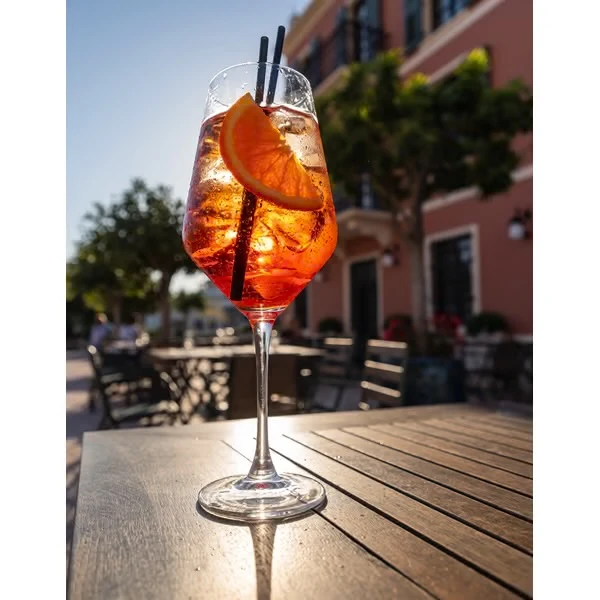
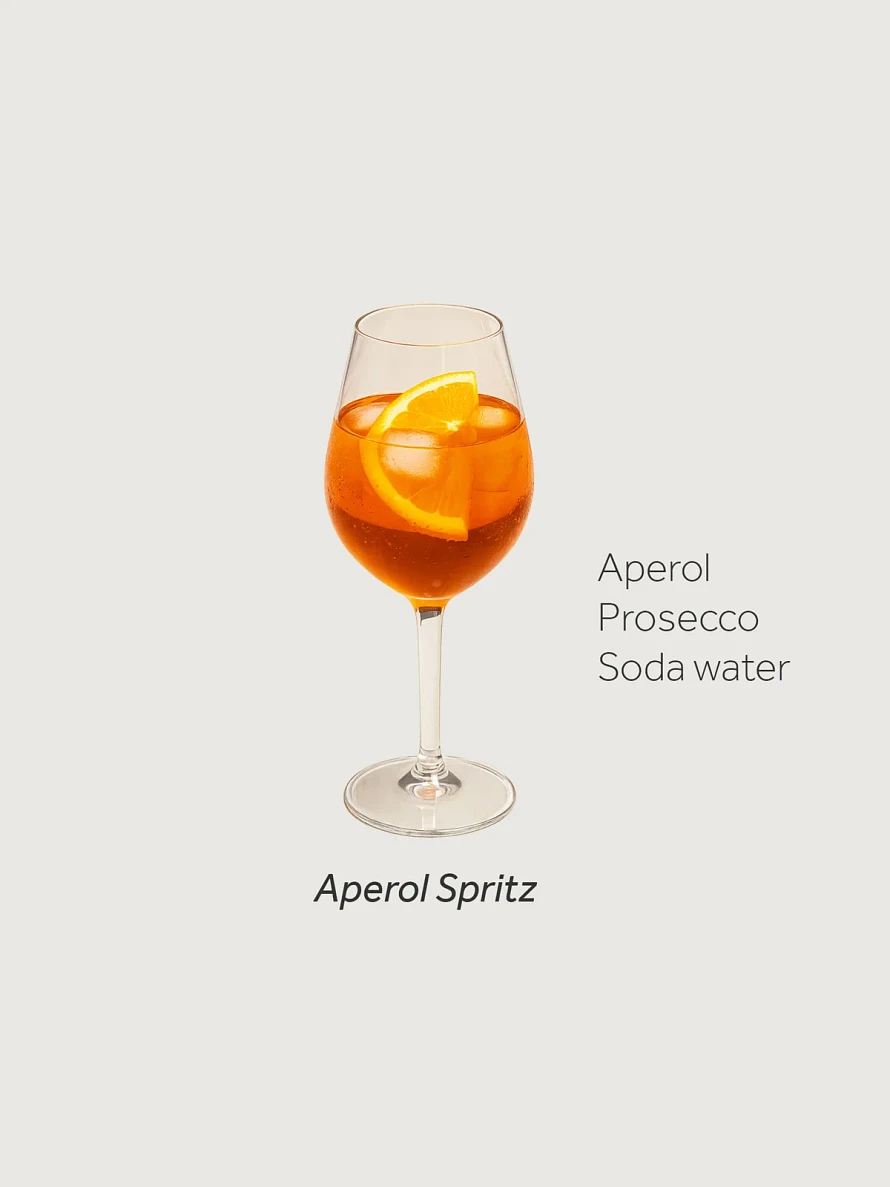
Few drinks capture the feeling of summer quite like the Aperol Spritz. Bright orange, lightly bitter, and sparkling with prosecco, the cocktail has become a global symbol of relaxed afternoons and effortless Italian style. Whether enjoyed at a café in Venice or at a rooftop gathering during sunset, the Aperol Spritz represents more than a drink—it’s a lifestyle built around slowing down and savoring the moment.

Born in Northern Italy

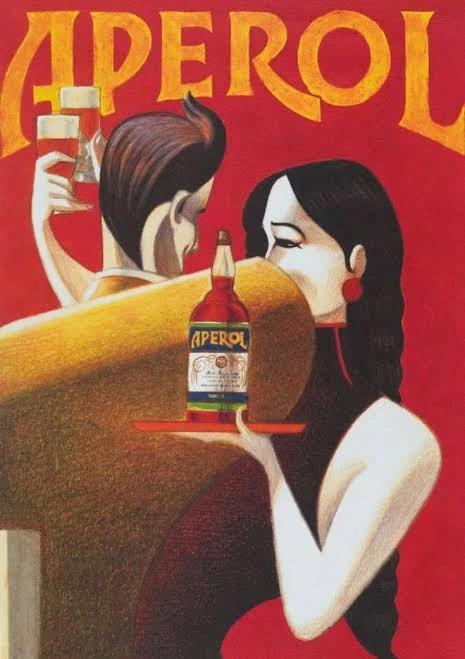
The origins of the Spritz date back to the 19th century, when Austrian soldiers stationed in northern Italy would dilute local wines with water, or a “spritz,” to make them lighter and more refreshing. Decades later, in 1919, the vibrant orange Aperol aperitif was introduced in Padua by the Barbieri brothers. With its unique blend of herbs, citrus, and roots, Aperol quickly became the perfect ingredient for a modern version of the Spritz.

By combining Aperol with prosecco and sparkling water, Italians created a cocktail that felt both refreshing and sophisticated—an instant classic that would eventually spread far beyond Italy’s borders.
The Art of Aperitivo

The Aperol Spritz is deeply connected to the Italian tradition of aperitivo—the ritual of gathering before dinner for drinks and small bites. More than just happy hour, aperitivo is about conversation, atmosphere, and slowing down after the day. The Spritz became the perfect companion to this ritual thanks to its low alcohol content, refreshing taste, and vibrant appearance.

Served over ice with a slice of orange, the cocktail feels simple yet unmistakably elegant. Its glowing orange color has become one of the most recognizable visuals in modern cocktail culture.

A Balance of Bitterness and Bubbles

Part of the Aperol Spritz’s appeal lies in its balance. Aperol brings bittersweet citrus notes, prosecco adds crisp effervescence, and sparkling water keeps the drink light and refreshing. The result is bright, easy to drink, and perfectly suited for warm afternoons and social evenings.

In recent years, the Spritz has evolved from a regional Italian favorite into a worldwide cultural icon, appearing everywhere from beach clubs to modern cocktail bars. Yet despite its popularity, it still carries the relaxed charm of its Venetian roots.
Showcase onYour Walls

The Aperol Spritz is more than a cocktail—it’s a visual symbol of Mediterranean lifestyle and modern leisure. Its vivid orange tones, sparkling texture, and timeless presentation make it one of the most photogenic drinks ever created.

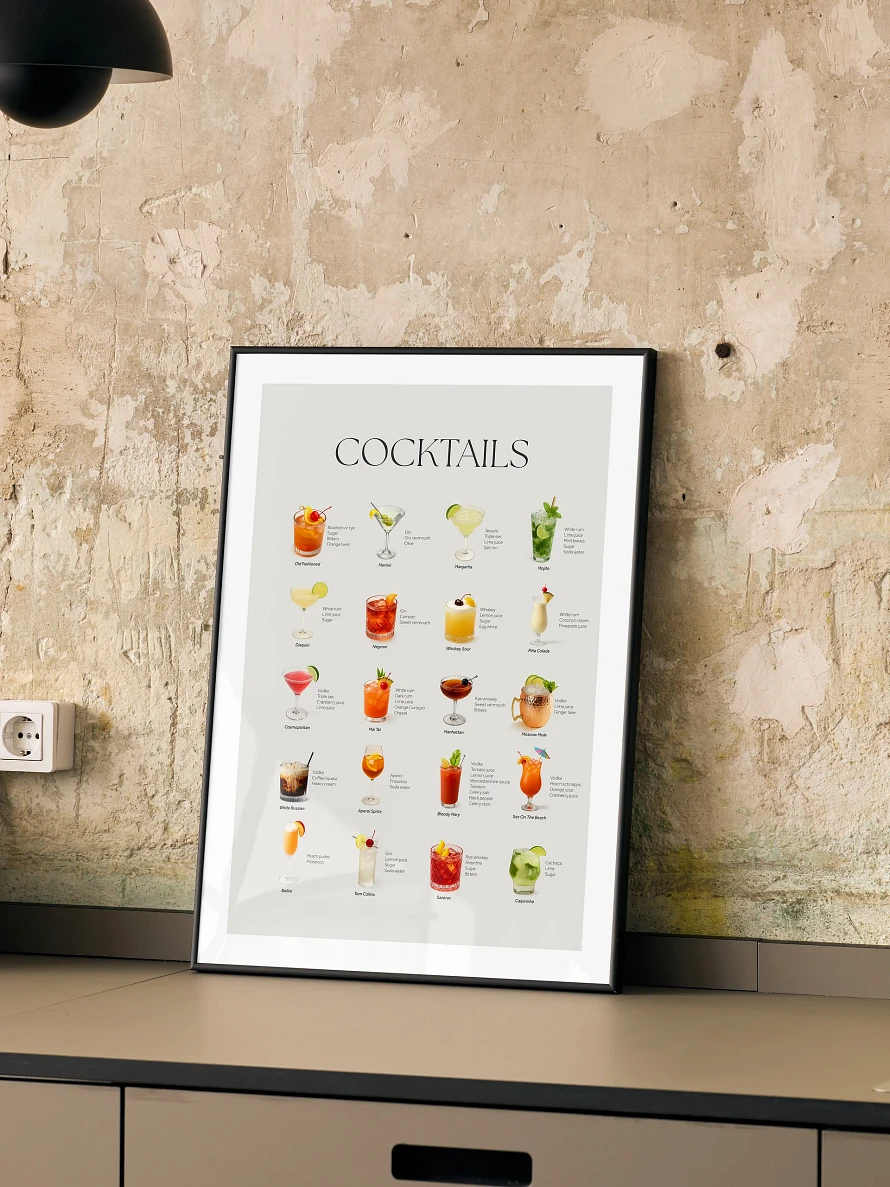
👉 Explore our Classic Cocktails Poster for a modern tribute to the world’s most iconic drinks, designed for kitchens, dining spaces, and stylish home bars.

👉 Looking for a ready-to-hang centerpiece? Discover the Classic Cocktails Framed Art Print for a gallery-inspired way to bring Italian cocktail culture into your interior.
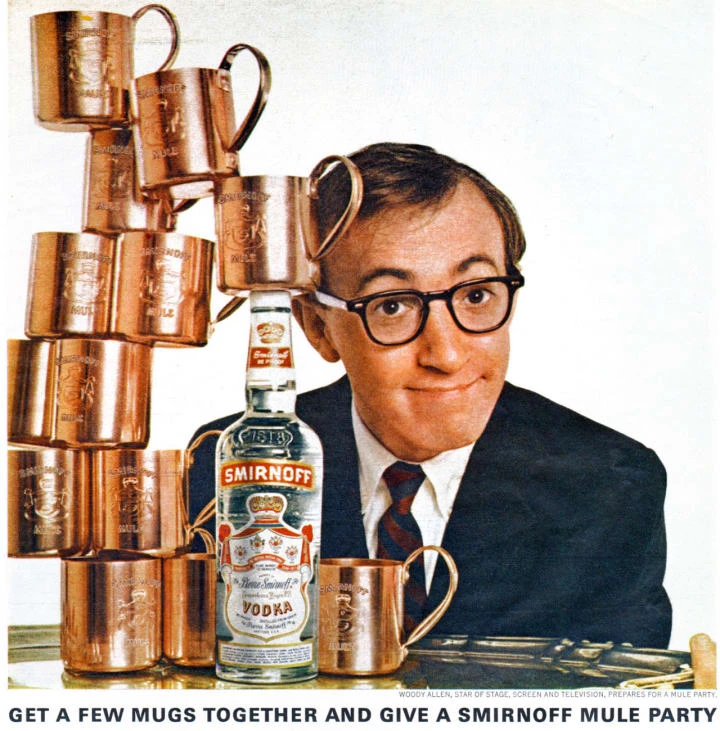
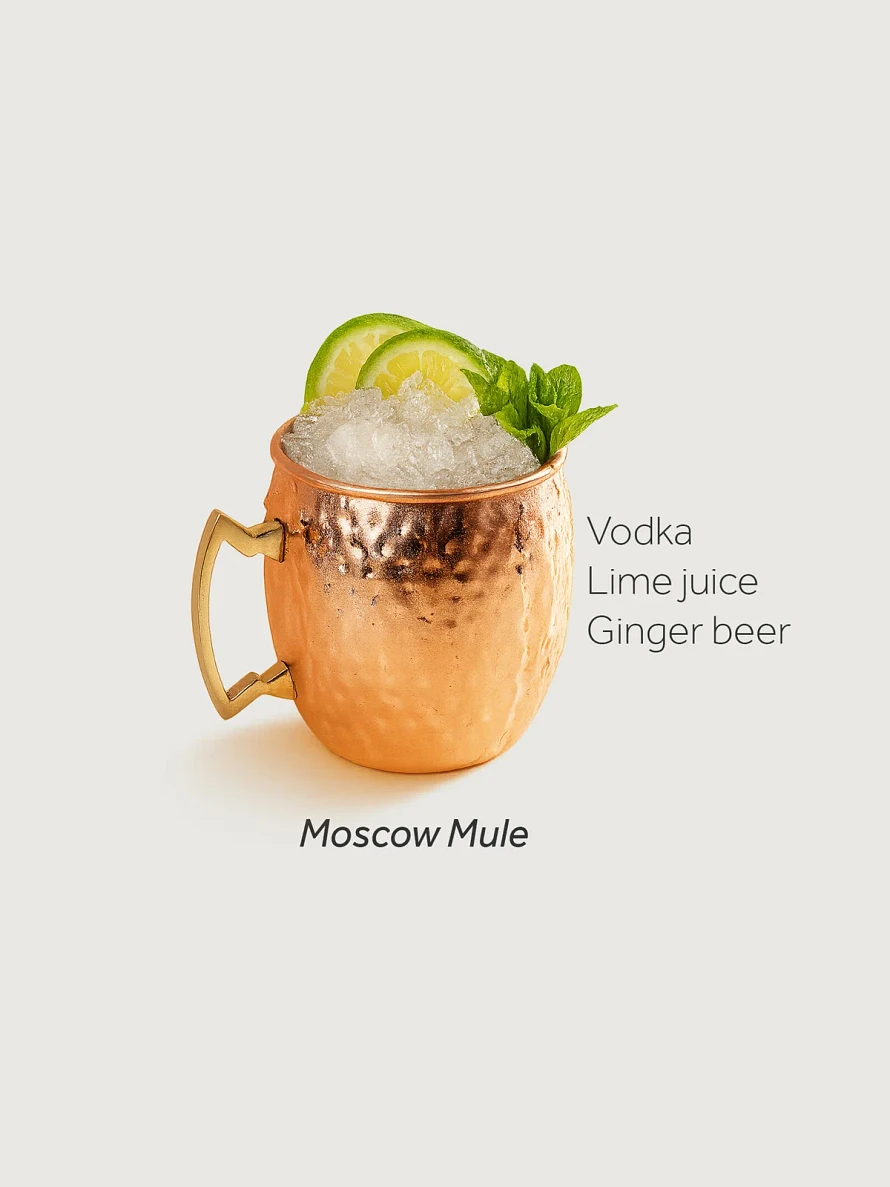
Few cocktails are as instantly recognizable as the Moscow Mule. Served in its signature copper mug with a refreshing mix of vodka, ginger beer, and lime, the drink has become a timeless favorite in bars and homes around the world. Crisp, spicy, and endlessly refreshing, the Moscow Mule proves that sometimes the simplest recipes become the most legendary.

An Unexpected Beginning

Despite its name, the Moscow Mule wasn’t born in Russia. The cocktail actually emerged in the United States during the 1940s, at a time when vodka was still relatively unfamiliar to American drinkers. According to cocktail lore, the drink was created through a chance collaboration between a vodka distributor, a ginger beer producer, and a woman selling handcrafted copper mugs. Together, they combined their struggling products into one unforgettable cocktail and a cultural icon was born.

Why the Copper Mug Matters

The Moscow Mule’s copper mug is more than just branding. Copper quickly adapts to the drink’s cold temperature, keeping the cocktail icy and refreshing from the first sip to the last. The metal also enhances the sharp, fizzy bite of ginger beer, creating a unique sensory experience that helped distinguish the Mule from every other vodka cocktail of its era.

Over time, the copper mug became inseparable from the drink itself, transforming the Moscow Mule into one of the most visually iconic cocktails ever served.

A Perfect Balance

Part of the Mule’s lasting appeal lies in its simplicity. Vodka provides a clean base, ginger beer adds spice and warmth, while fresh lime cuts through with bright acidity. The result is balanced, refreshing, and easy to enjoy year-round—whether at summer gatherings or cozy winter evenings.

Its versatility has also inspired countless variations, from Mexican Mules with tequila to Kentucky Mules made with bourbon. Yet the original remains unmatched in its effortless charm.

Share More Info on Your Place

The Moscow Mule is more than a cocktail—it’s a design icon of bar culture. From the gleaming copper mug to the vibrant lime garnish, every detail feels timeless and visually distinctive. It represents the golden era of classic cocktails while remaining as stylish today as ever.

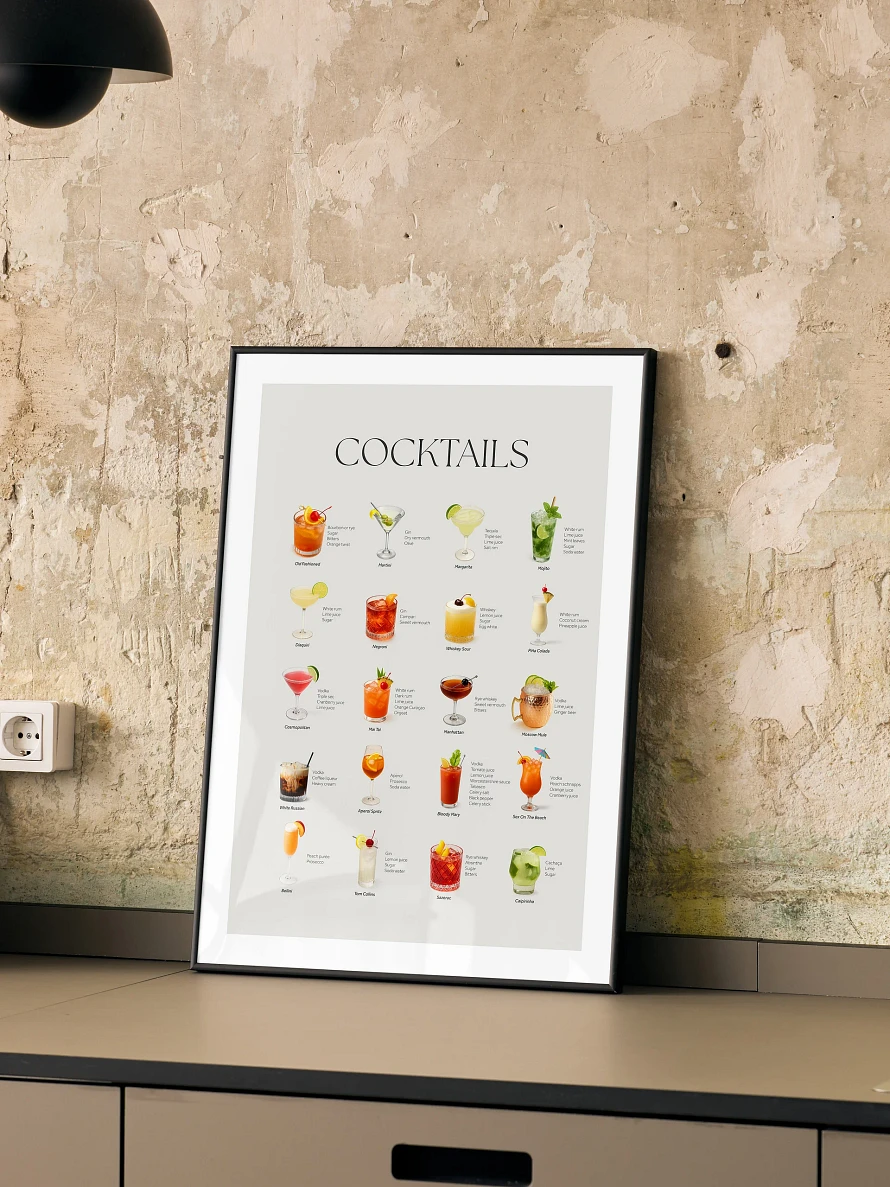
👉 Explore our Classic Cocktails Poster for a clean and modern tribute to the world’s most iconic drinks. Perfect for kitchens, dining areas, and home bars.

👉 Looking for a ready-to-hang statement piece? Discover the Classic Cocktails Framed Art Print for a gallery-inspired presentation that brings cocktail culture into your space.

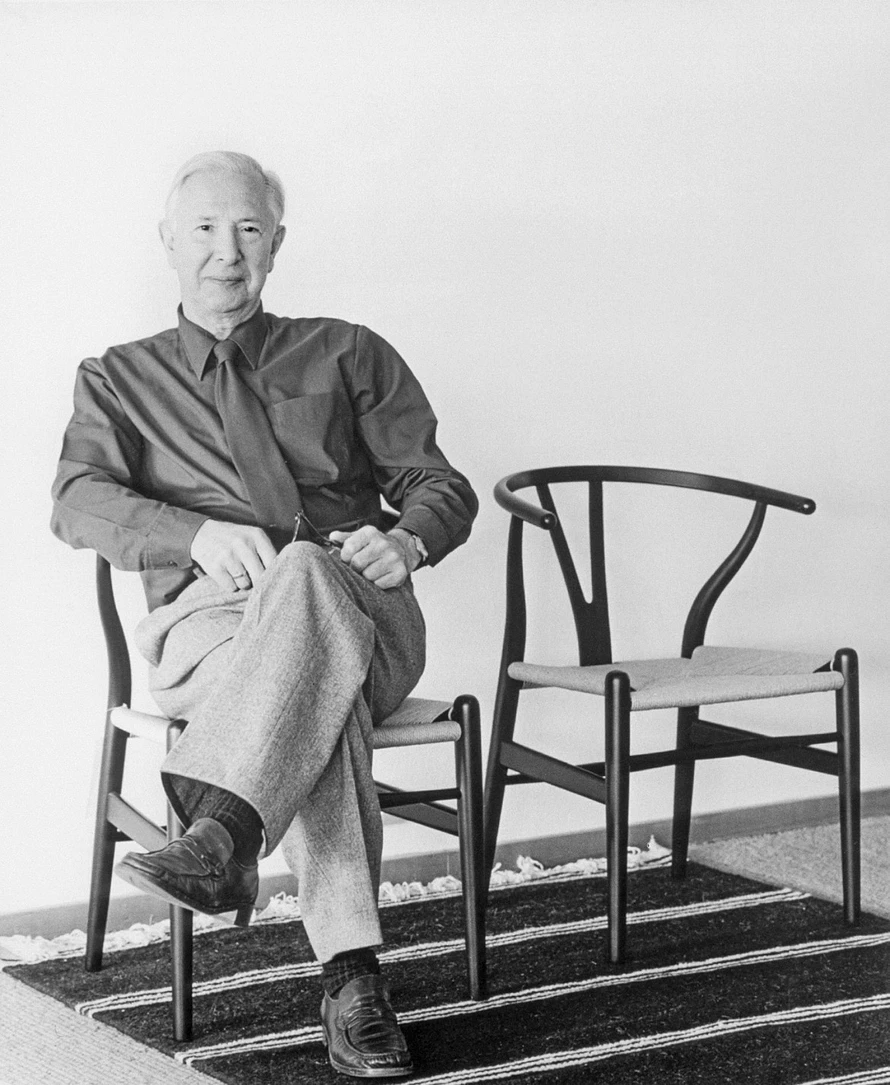
Few furniture pieces capture the essence of Scandinavian design as perfectly as the Wishbone Chair. Designed in 1949 by legendary Danish designer Hans J. Wegner, the chair became an instant classic thanks to its graceful curves, organic materials, and effortless balance between comfort and craftsmanship. More than seventy years later, the Wishbone Chair remains one of the most recognizable symbols of modern Danish furniture design.

Inspired by Tradition

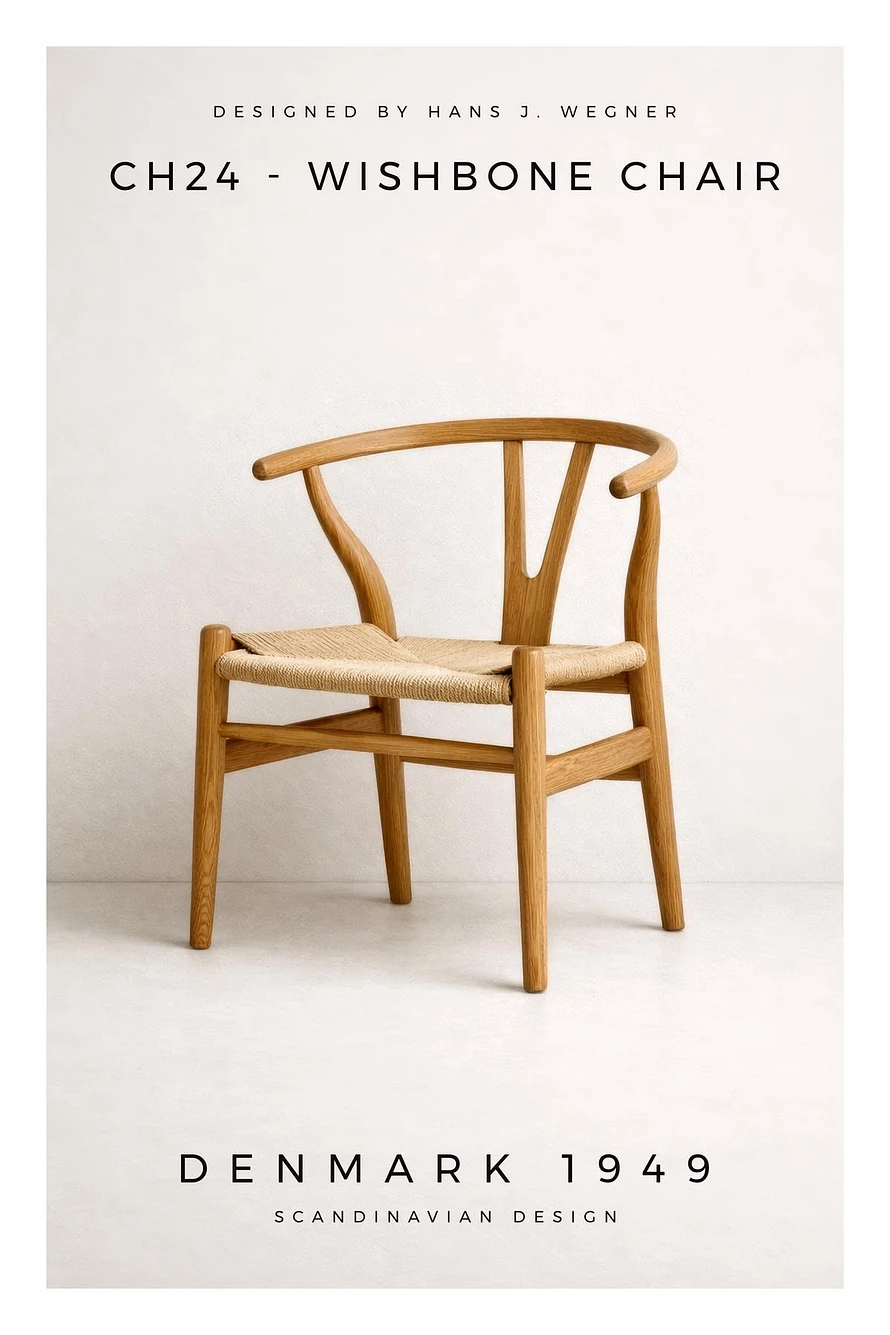
Wegner drew inspiration from traditional Chinese Ming Dynasty chairs, simplifying their form into something lighter, more modern, and unmistakably Scandinavian. Officially known as the CH24, the chair earned its popular nickname from the distinctive Y-shaped back support that resembles a wishbone. This elegant detail wasn’t only decorative—it provided both structural strength and ergonomic comfort.

Craftsmanship in Every Detail

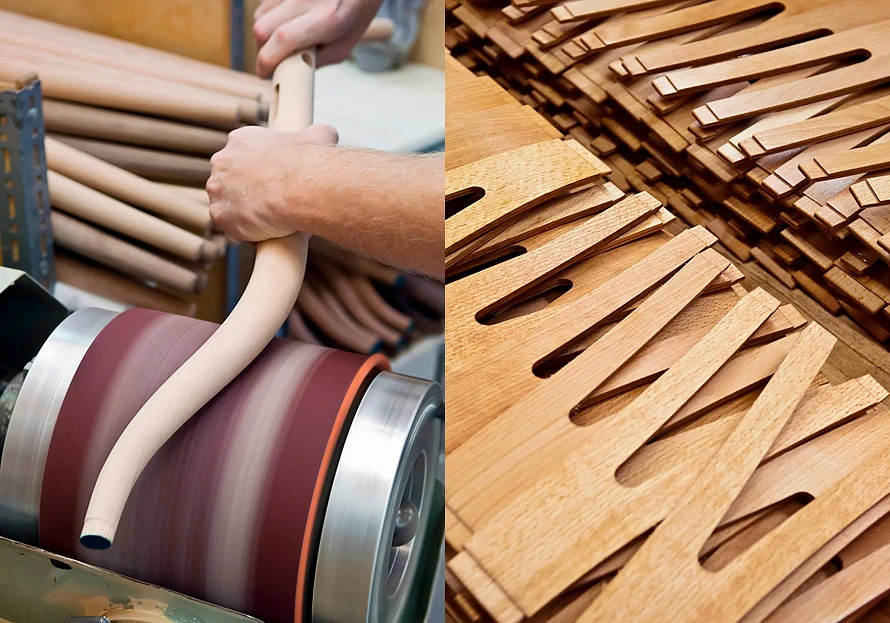
The Wishbone Chair is celebrated for its remarkable craftsmanship. Each chair requires over 100 production steps, many of them completed by hand. Its steam-bent wooden frame creates soft flowing lines, while the woven paper cord seat adds warmth and texture. Unlike furniture designed purely for appearance, the Wishbone Chair was built for daily living—comfortable enough for long dinners, yet refined enough to feel sculptural in any interior.

A Timeless Scandinavian Icon

What makes the Wishbone Chair truly special is its versatility. It feels equally at home in minimalist modern apartments, cozy Nordic interiors, or classic dining spaces. Over decades, it has become a favorite among architects, designers, and collectors who appreciate objects that age beautifully rather than follow trends.

Its understated elegance reflects the philosophy at the heart of Danish modernism: simplicity, honesty, and functionality. In a world of fast-changing design trends, the Wishbone Chair remains timeless.

A Poster-Worthy Design

The Wishbone Chair is more than furniture, it’s a statement of thoughtful design and enduring craftsmanship. Its flowing silhouette and balanced proportions make it one of the most visually iconic chairs ever created.

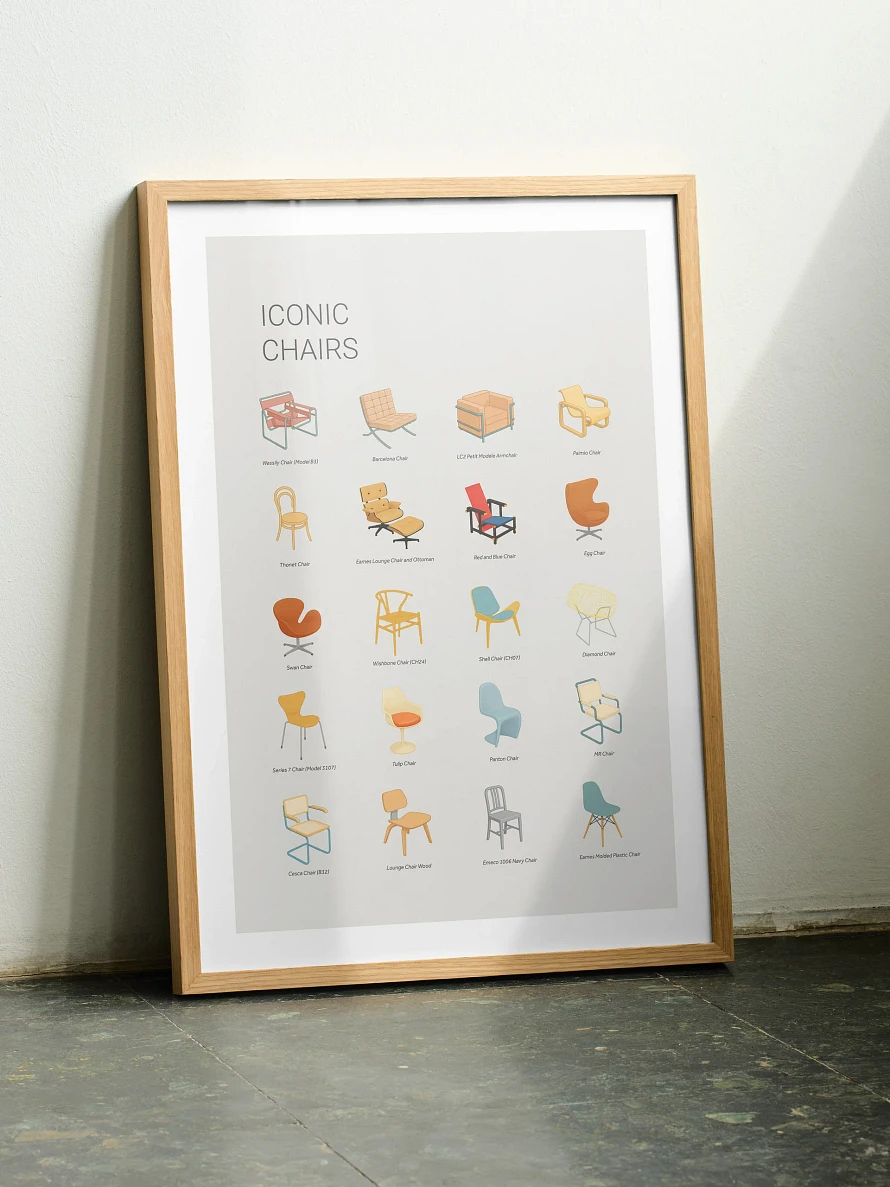
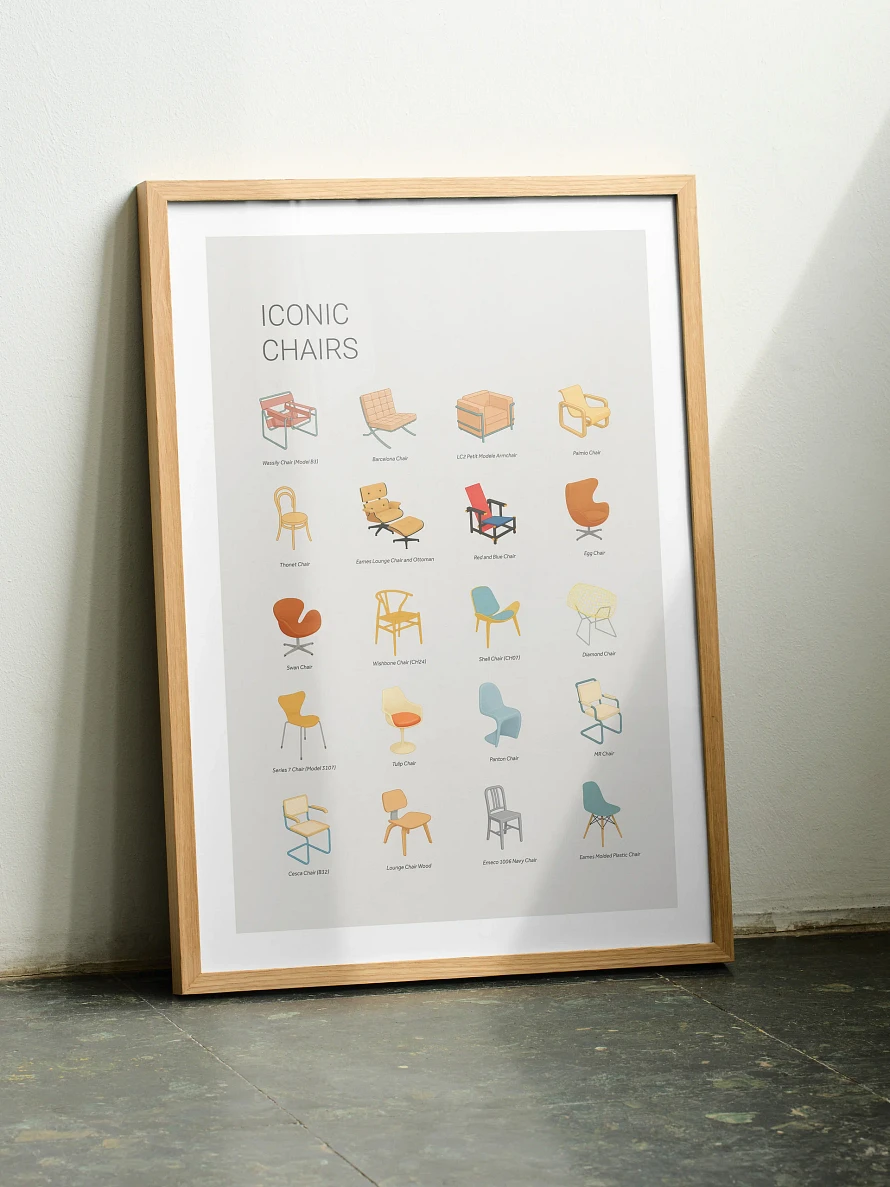
👉 Celebrate timeless furniture design with our Iconic Chairs Poster and Iconic Chairs Framed Art Print curated tribute to the chairs that shaped modern interiors and design culture.


Among the pigeons and sparrows that dominate city skylines, the Common Grackle stands out with an almost otherworldly presence. With its iridescent plumage, piercing yellow eyes, and confident strut, this bird brings a spark of wild elegance to the urban landscape. Often misunderstood, the grackle is more than just a noisy neighbor—it’s a symbol of adaptability and clever survival in modern environments.

A Bird of Many Colors

At first glance, a grackle might look black. But step closer and sunlight reveals its true palette—deep purples, metallic blues, and bronze tones that shift with every movement. This shimmering effect comes not from pigments, but from microscopic feather structures that refract light—nature’s version of a holographic finish. It’s one of the reasons artists and birdwatchers alike find the Common Grackle so mesmerizing.

City Smart

The Common Grackle thrives in places where other birds struggle. From parking lots to park trees, it’s a master of adaptation—using its intelligence to find food, build nests, and even mimic the calls of other species. Grackles often travel in noisy flocks, their sharp, metallic calls echoing through the streets like an urban soundtrack. Their resourcefulness makes them one of North America’s most successful city dwellers.

A Misunderstood Character

Grackles are often labeled as pests for their bold behavior and habit of raiding trash bins, but there’s a certain brilliance in their mischief. Their behavior mirrors the chaos and creativity of city life itself—unpredictable, loud, and full of energy. Watching a grackle shimmer in the sunlight is a reminder that beauty can thrive even in the most concrete of settings.

A Poster-Worthy Bird

The Common Grackle represents the untamed spirit of the city—a creature that finds art in survival and color in the ordinary. Its shimmering feathers and streetwise attitude make it an unforgettable part of the urban ecosystem.

👉 Discover the beauty of city wildlife with our City Birds Poster and City Birds Framed Art Print —a collection celebrating the character, color, and charm of the birds that share our streets and skylines.

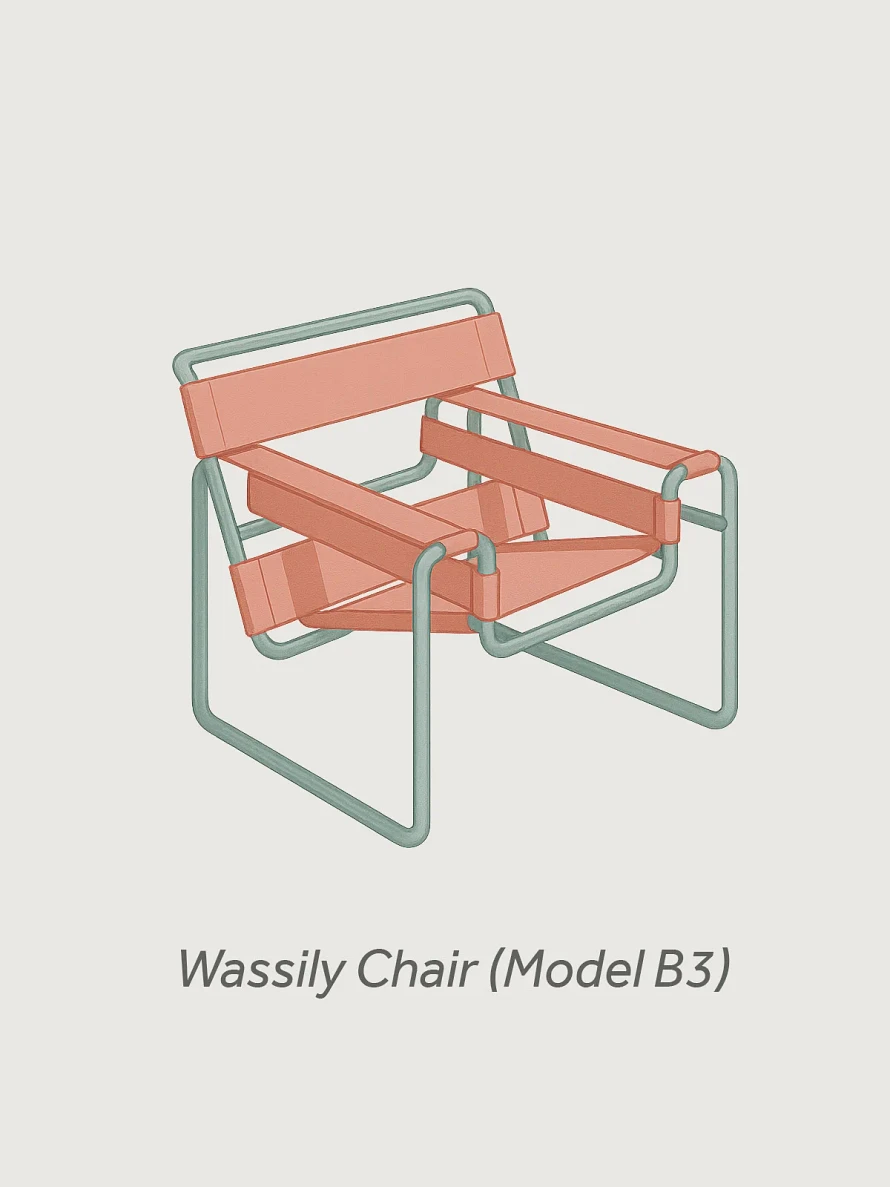
When it comes to modern furniture design, few pieces carry the same weight of influence as the Wassily Chair. Created in 1925 by Hungarian architect and designer Marcel Breuer, this chair wasn’t just a place to sit, it was a radical rethinking of what furniture could be. Its sleek tubular steel frame and taut leather strips embodied the spirit of the Bauhaus movement, where art met function in the most elegant way possible.

A Chair Born in Bauhaus

Breuer was still a young apprentice at the Bauhaus in Weimar when he began experimenting with new materials. Inspired by the lightweight, resilient design of a bicycle frame, he created a chair using bent tubular steel—a material never before used in domestic furniture. The result was the Model B3, which later became known as the Wassily Chair after Breuer’s contemporary, artist Wassily Kandinsky, admired it so much that Breuer built him one.

Form Follows Function

Unlike heavy, upholstered chairs of its time, the Wassily Chair was airy, minimalist, and industrial. The steel tubing created a durable yet lightweight frame, while the canvas, leather, or fabric strips provided support without excess. Its geometry reflected the Bauhaus ethos: beauty comes from clarity, simplicity, and the honest use of materials.

An Icon of Modernism

What made the Wassily Chair revolutionary was not just its design, but its influence. It broke from tradition, showing that furniture could be mass-produced while still being timelessly stylish. Today, the chair remains a staple in modern interiors, often found in museums, design studios, and stylish homes across the world. It has outlived trends and continues to symbolize the birth of modern furniture design.

A Poster-Worthy Design

The Wassily Chair is more than just seating, it’s a work of art that represents an entire movement in design history. Its clean lines and bold innovation make it as visually striking today as it was nearly a century ago.

You can discover more about Bauhaus heritage in our Iconic Chairs Poster  and Iconic Chairs Framed Art Print that is a tribute to timeless furniture designs that shaped the way we live, work, and relax.


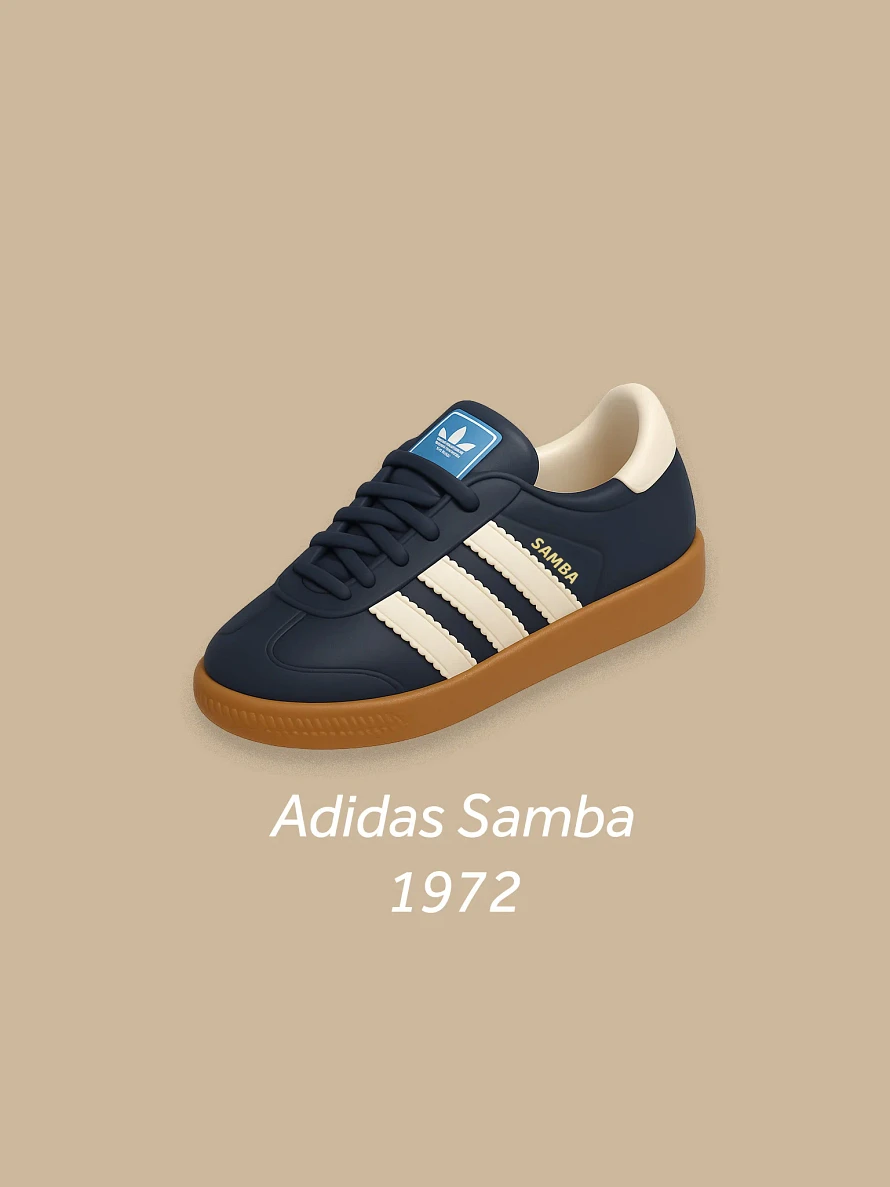
Few sneakers have traveled such a unique path as the Adidas Samba. Born in post-war Germany, the Samba wasn’t designed for fashion runways or even the dance floor. Its roots go back to frozen football pitches in the 1950s, where players needed reliable grip on icy ground. Adidas responded with a shoe that combined clever functionality with a timeless design—setting the stage for what would become one of the most recognized silhouettes in sneaker history.

A Cold Start

The first Samba arrived in 1950 with an outsole unlike anything seen before: three suction-cup cutouts that provided players extra traction on slick, frozen pitches. This innovation earned the shoe its reputation for control and stability—and the nickname “Samba,” a nod to its smooth movement rather than a direct tie to the Brazilian dance.

Refining the Classic

Through the decades, the Samba kept evolving. By the 1970s, Adidas introduced the version that would become legendary: a slim profile, durable leather upper, soft ankle padding, and the famous three-stripe design. Functional upgrades followed—cowhide leather for durability, pull tabs for convenience, even shock-absorbing midsoles in later Spezial editions. Each refinement strengthened its reputation not just as a football shoe, but as a versatile sneaker with staying power.

Beyond the Pitch

The true magic of the Samba lies in how it transcended sport. By the 1980s, it had become part of everyday streetwear, embraced by subcultures from skaters to Britpop fans. Designers and collaborators later reimagined the shoe—most recently with striking colorways and bold updates through partnerships like Wales Bonner’s now-iconic red Samba. Each revival has proven that the shoe’s DNA—minimalist, functional, and stylish—never goes out of date.

A Poster-Worthy Icon

What started as a tool for winter football now sits firmly in the world of cultural design. The Samba isn’t just footwear—it’s a visual icon, instantly recognizable and layered with history. That’s why it deserves a place not only on your feet but also on your wall, celebrated as part of sneaker culture’s design story.

👉 Explore our All-Time Classic Sneakers Poster and All-Time Classic Sneakers Framed Art Print to bring this legendary silhouette into your space. Designed for sneaker lovers, collectors, and design enthusiasts, it’s the perfect way to celebrate an icon that has shaped both sport and style for over 70 years.